Investing in San Francisco: The Yield Paradox
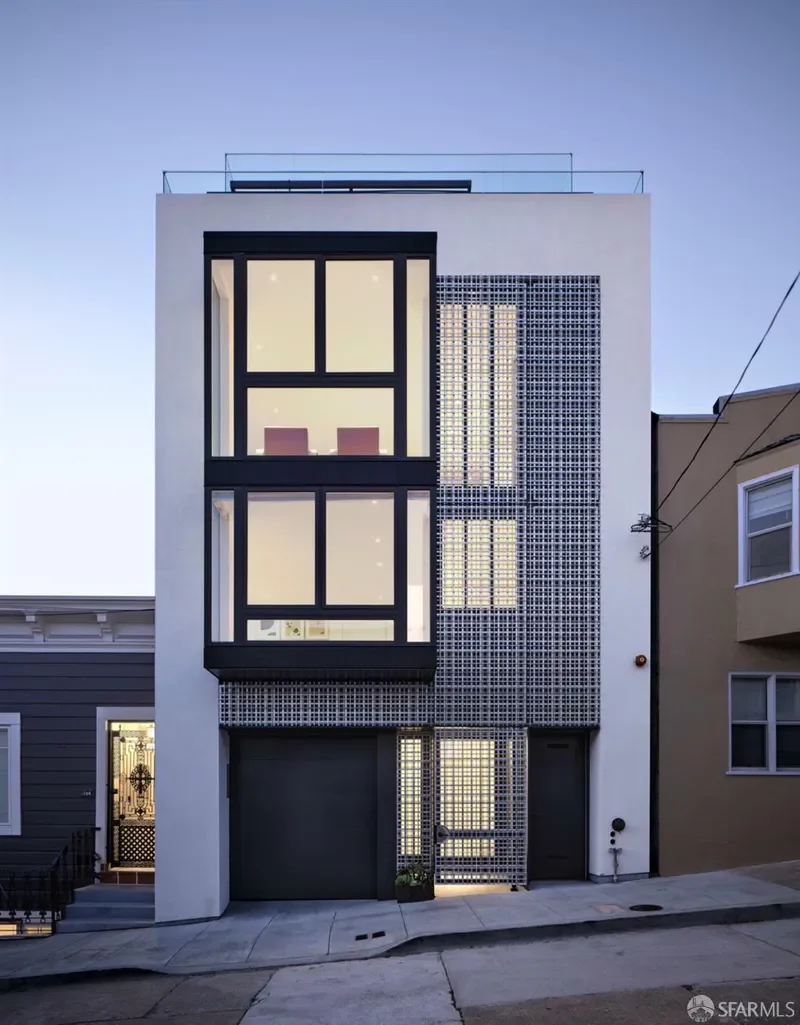
In the traditional world of real estate investing, a 2% yield is treated as a red flag. If you take a spreadsheet to a financial advisor in the Midwest and show them a $7 million Pacific Heights property that rents for $12,000 a month, they will likely tell you to run. On paper, the math looks inefficient. Why tie up millions in a physical asset when a diversified bond portfolio offers a higher immediate return with zero maintenance?
The answer lies in understanding what you are actually buying when you buy in The City.
Yield (or the "cap rate") is simply the annual net income of a property divided by its purchase price. It is a measurement of cash flow. In markets with high inventory and low barriers to entry, yield is the primary metric because those properties often lack the scarcity required for significant long-term appreciation. You buy for the check you get today.
San Francisco operates on a different set of physics. Here, we deal in "Fortress Assets."
People often forget that we are only seven miles by seven miles. This tiny peninsula is hemmed in by the Pacific on one side and the Bay on the other, leaving no room for the sprawling developments seen in Texas or Florida. In The City, "land" is a finite resource in a way that most American investors cannot quite grasp until they see the zoning maps.
The City’s outperformance is not a recent byproduct of the AI boom. Historically, San Francisco home values have risen by approximately 300% over the last 50 years when adjusted for inflation. For comparison, the national average in that same period was closer to 150%. We are not just participating in a modern tech cycle; we are operating within a structural supply-and-demand bottleneck that has been compounding since the 1960s.
When you purchase luxury real estate in The City, you are not buying a cash cow. You are buying equity preservation. Between 2010 and 2020, The City added roughly one housing unit for every eight to ten jobs created. That is not just a tight market; it is a permanent supply deficit.
History shows us that in San Francisco, the 10-year appreciation delta consistently outperforms the "safe" yield found in other regions. The "yield" in our market is the difference between the entry price and the future exit price, compounded by the tax advantages of physical real estate and the security of owning land in a top-tier global city.
Looking at a spreadsheet alone ignores the reality of wealth preservation. A 2% yield is not a sign of a bad investment (in fact, it often signals a high-quality asset in a high-demand area). It is the price of admission for an asset class that tends to hold its ground when the rest of the market feels like shifting sand.
If you are evaluating a property based solely on the monthly rent check, you are treating a legacy asset like a retail commodity. For those focused on long-term wealth, the conversation starts where the spreadsheet ends.
If you are looking to move $5M+ into a Fortress Asset and want a 10-year appreciation analysis for specific San Francisco neighborhoods, reach out for a private consultation.