The Beauty Tax: Why Renovated Homes in San Francisco Cost More Than You Think
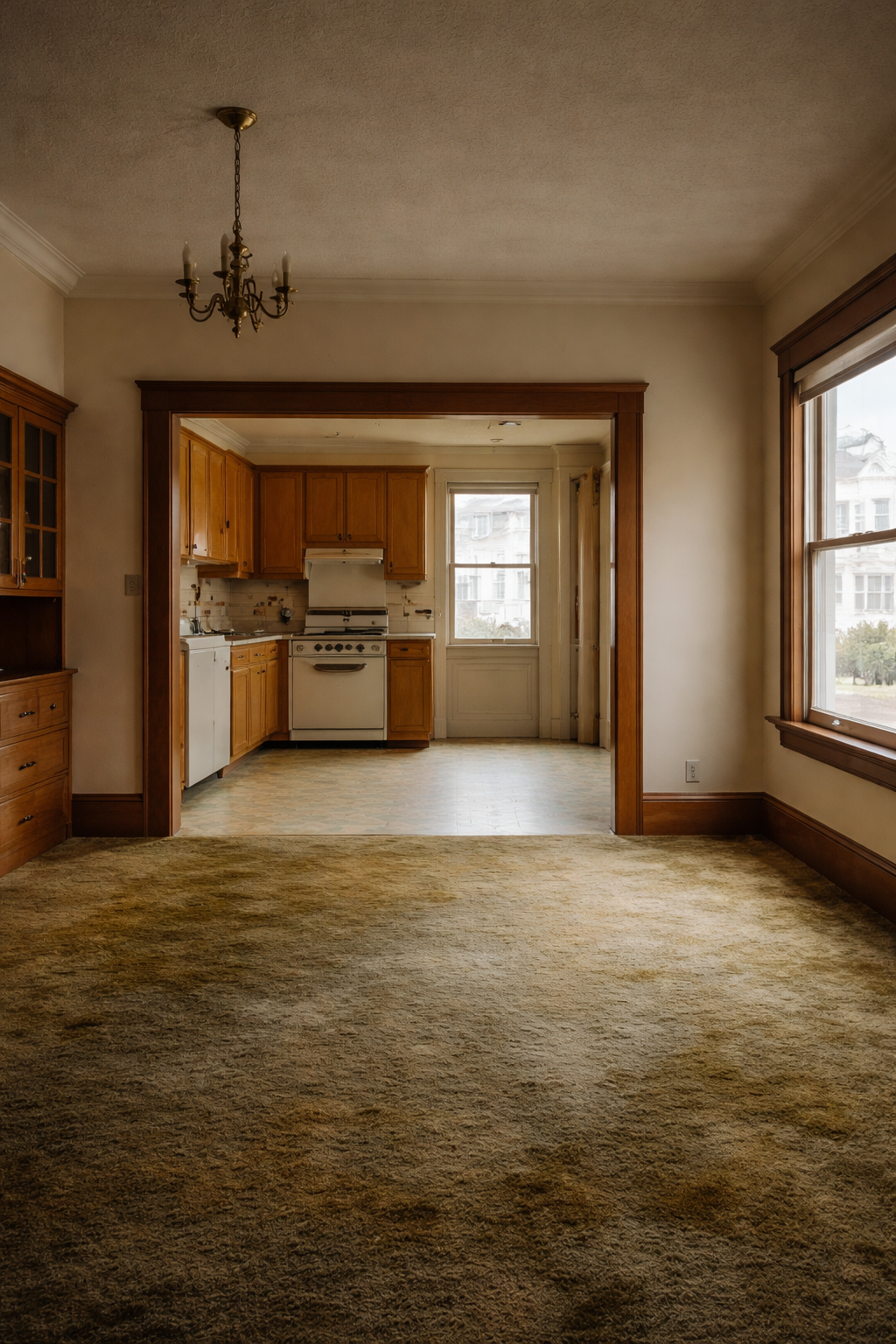
There’s a certain house that quietly sits on the market in The City. Original cabinets. Seventies carpet. Maybe a bathroom that hasn’t met a subway tile yet. It gets passed over. Not because it’s a bad house…but because it isn’t telling a ready-made story.
Most buyers today want homes that photograph well. Clean lines. White kitchens. Finishes that look familiar on a phone screen. The problem is that those homes rarely come at a neutral price. In San Francisco, you are almost always paying a premium for presentation. Often a meaningful one.
That premium is what I think of as the beauty tax. It’s the extra 15 to 25 percent baked into the price for work that’s already been done. Work you didn’t choose. Materials that reflect someone else’s taste. Renovations that may or may not align with how you actually want to live.
And here’s the quiet truth most people miss. The bones of the house matter far more than the finishes. Layout. Light. Proportions. Structural integrity. How the rooms relate to each other. These are the things that are expensive, disruptive, or impossible to change. Carpet, tile, fixtures, and cabinets are not.
In San Francisco especially, un-renovated homes often carry hidden leverage. They scare off competition. They sit longer. They invite negotiation. And when purchased correctly, they let you capture equity that would otherwise be handed to a flipper or a prior owner.
This isn’t about buying something unlivable. It’s about knowing how to see past cosmetic noise and evaluate potential. When I walk buyers through a dated property, the conversation is very different from “Can you live with this?” It’s “What would you do with it?” That shift changes everything.
A good renovation done thoughtfully can align the home with how you live, not how someone else marketed it. More importantly, it allows you to control cost, quality, and timing. In a market like San Francisco’s, that control often translates directly into long-term value.
The irony is that the “ugly house” frequently becomes the most personal one. It’s shaped intentionally. It reflects real priorities. And financially, it often performs better over time because you didn’t overpay on day one.
If a home makes you hesitate because it feels dated, pause before walking away. That hesitation may be exactly where the opportunity lives.