
The Castro Part 2: Pride, Protest, and Harvey Milk
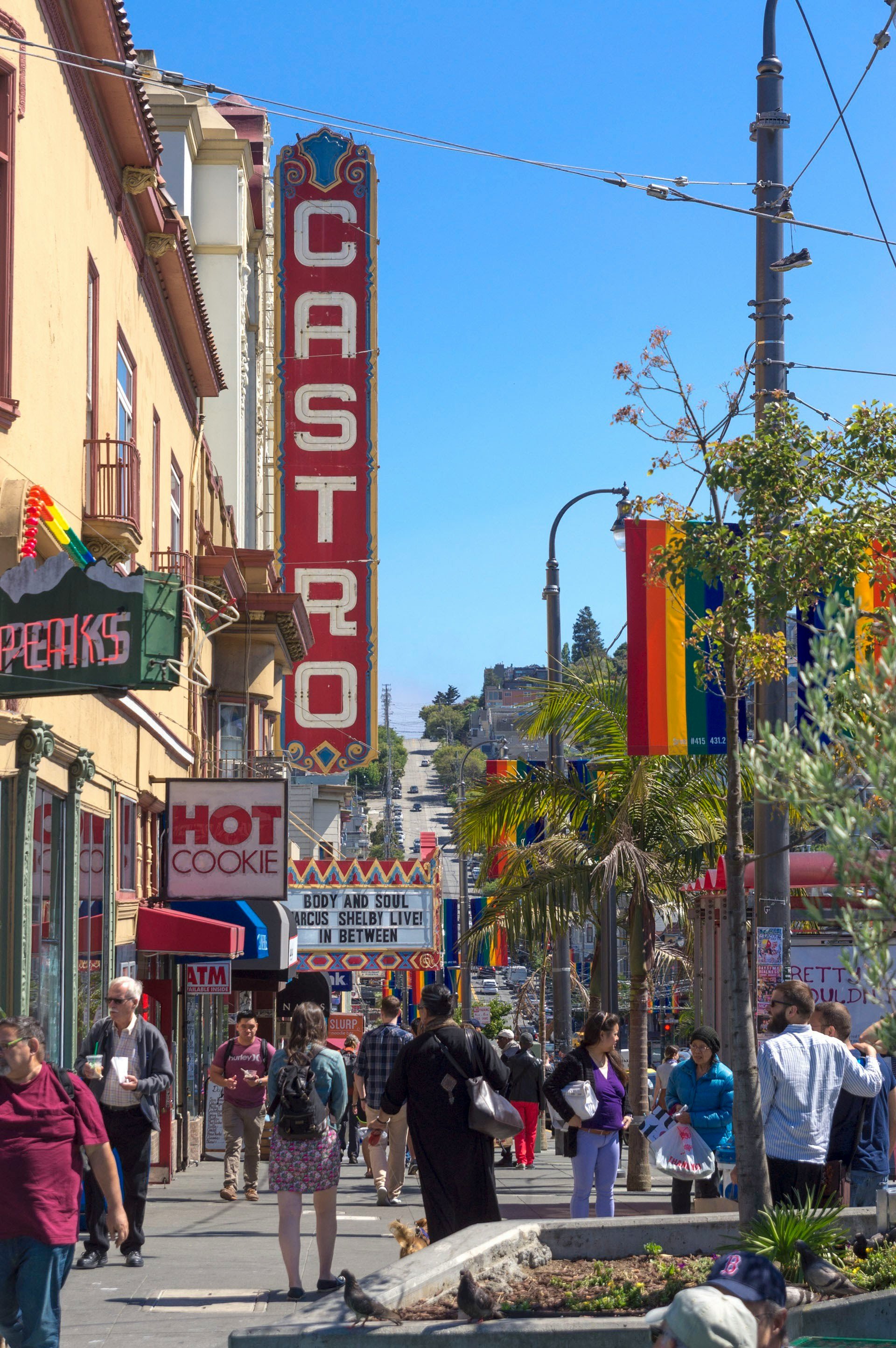
Welcome back to Part 2 of the Castro series. By the late 1960s, a wave of change swept through Eureka Valley. Affordable Victorians and a tolerant vibe drew gay men and lesbians from across the country, and the area soon took on a new name: The Castro.
Bars like Twin Peaks Tavern - with its now-famous glass windows that proudly displayed patrons instead of hiding them - became gathering spots where people could finally be themselves. Rainbow flags began to appear, symbolizing a new era of visibility and pride.
The heart of this transformation was Harvey Milk, the charismatic camera-shop owner who moved to Castro Street in 1972. Milk organized neighbors, fought for equal rights, and in 1977 was elected to the San Francisco Board of Supervisors, becoming one of the first openly gay elected officials in the United States. His assassination in 1978 shocked the city but galvanized a movement. Candlelight marches and the continuing work of LGBTQ+ activists cemented the Castro as a global symbol of resilience and pride.
In Part 3, we’ll explore how the Castro carried that spirit through the AIDS crisis and into the vibrant neighborhood you can visit today.
